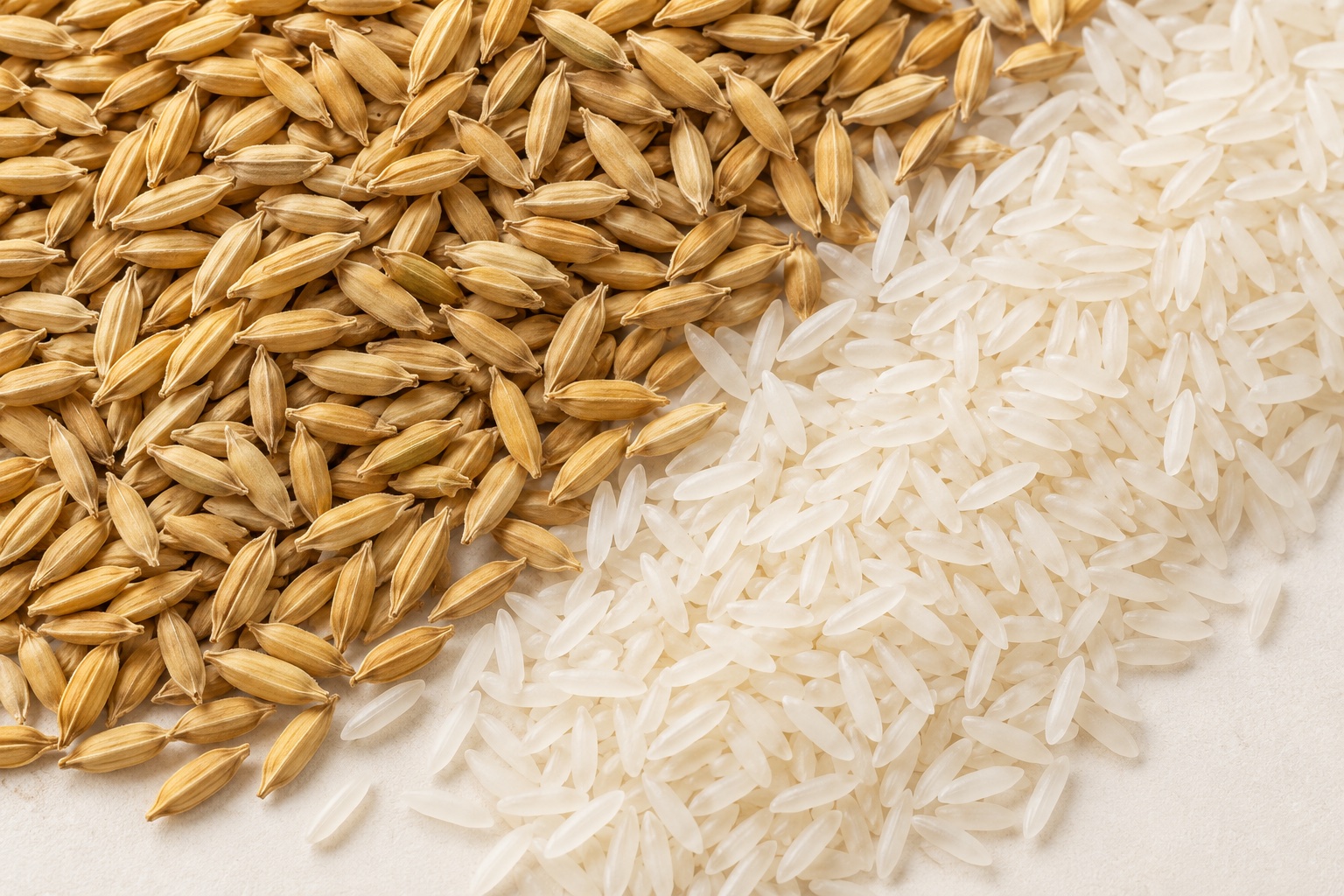
01 / PROCESSINGYour grain.
Your grain.
Our shared standard.
Custom rice milling starts with your input paddy, desired finish, quantity, and timeline. We align the processing scope with your specification.
 LAJPAT AGROPRIVATE LIMITED
Custom rice milling and optical sorting enquiries, shaped around the input grain, desired finish and buyer specification.
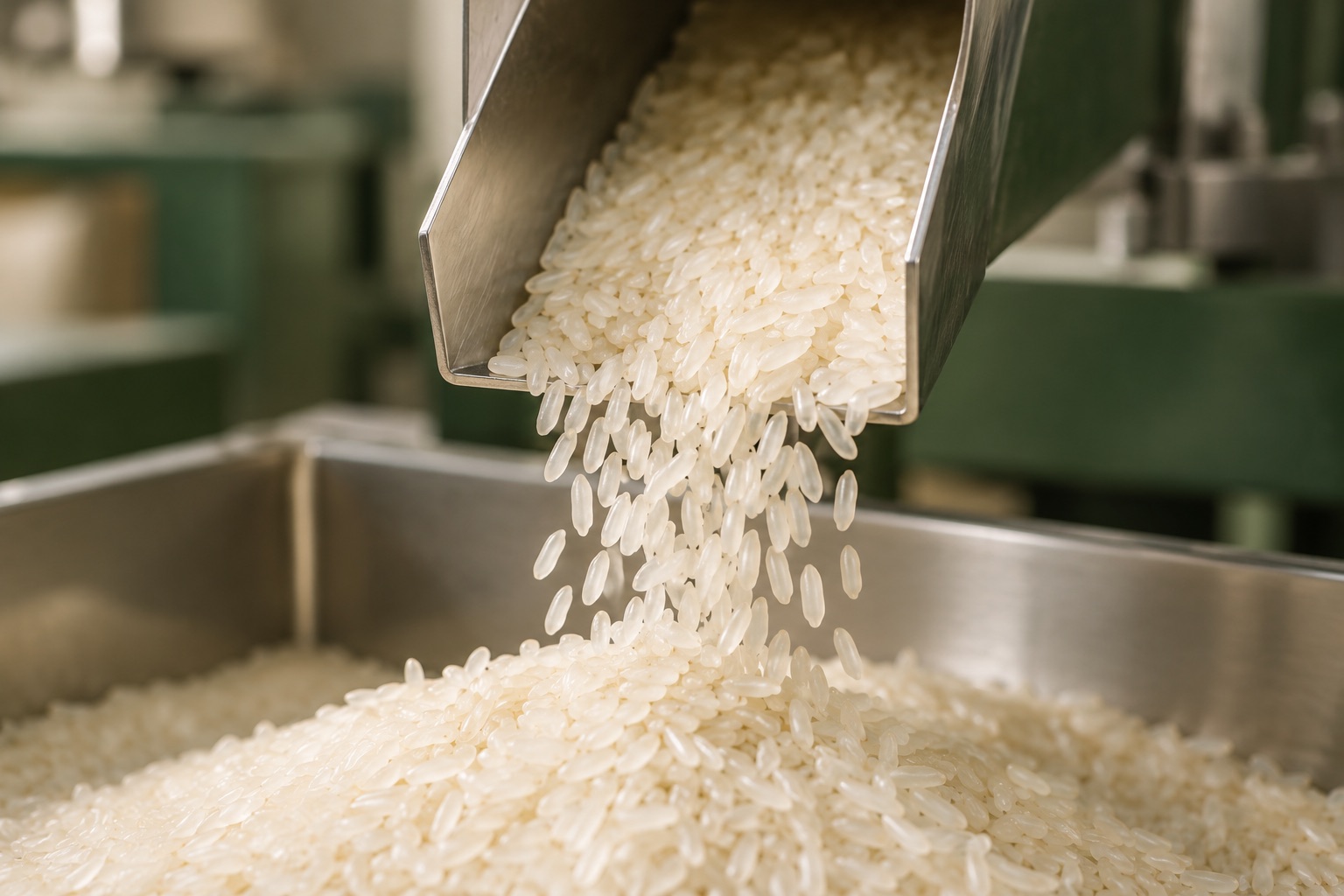
For businesses that value the grain
and the relationship behind it.
Custom rice milling starts with your input paddy, desired finish, quantity, and timeline. We align the processing scope with your specification.
Rice requirements shaped around the buyer: variety, grain finish, quantity and packing, brought together in a clear brief.
Explore rice requirementsEnquire about broken rice, rice bran, and husk. Grades and availability are confirmed for each requirement.
Six stages. One connected conversation.
Explore what matters at each step.

Start with variety, condition, and the intended use. A clear input brief gives the processing conversation its direction.
PADDY PROCUREMENT / INPUT REQUIREMENTSDiscuss the cleaning route against the incoming material. Preparation removes unwanted matter before the grain progresses.
CLEANING / INPUT CONDITIONMilling transforms paddy into rice. The intended finish and output requirements guide the scope of the work.
MILLING / GRAIN & FINISHAgree the grade, appearance, and tolerances needed by the buyer. The sorting route is reviewed as part of the processing scope.
SORTING / GRADE & TOLERANCESSet the reference sample, quality limits, and testing needs in advance. Meaningful quality begins with a shared specification.
QUALITY REVIEW / SAMPLE & SPECIFICATIONBring packing, quantities, dispatch expectations, and documentation into the brief before an order is agreed.
DISPATCH / PACKING & DOCUMENTATIONAn illustrative processing journey. The equipment, controls, and scope for an order are agreed after reviewing its requirements.
Camera-based sorting brings colour and visual consistency into sharper focus. The required standard starts with your grain, your grade, and your reference sample.

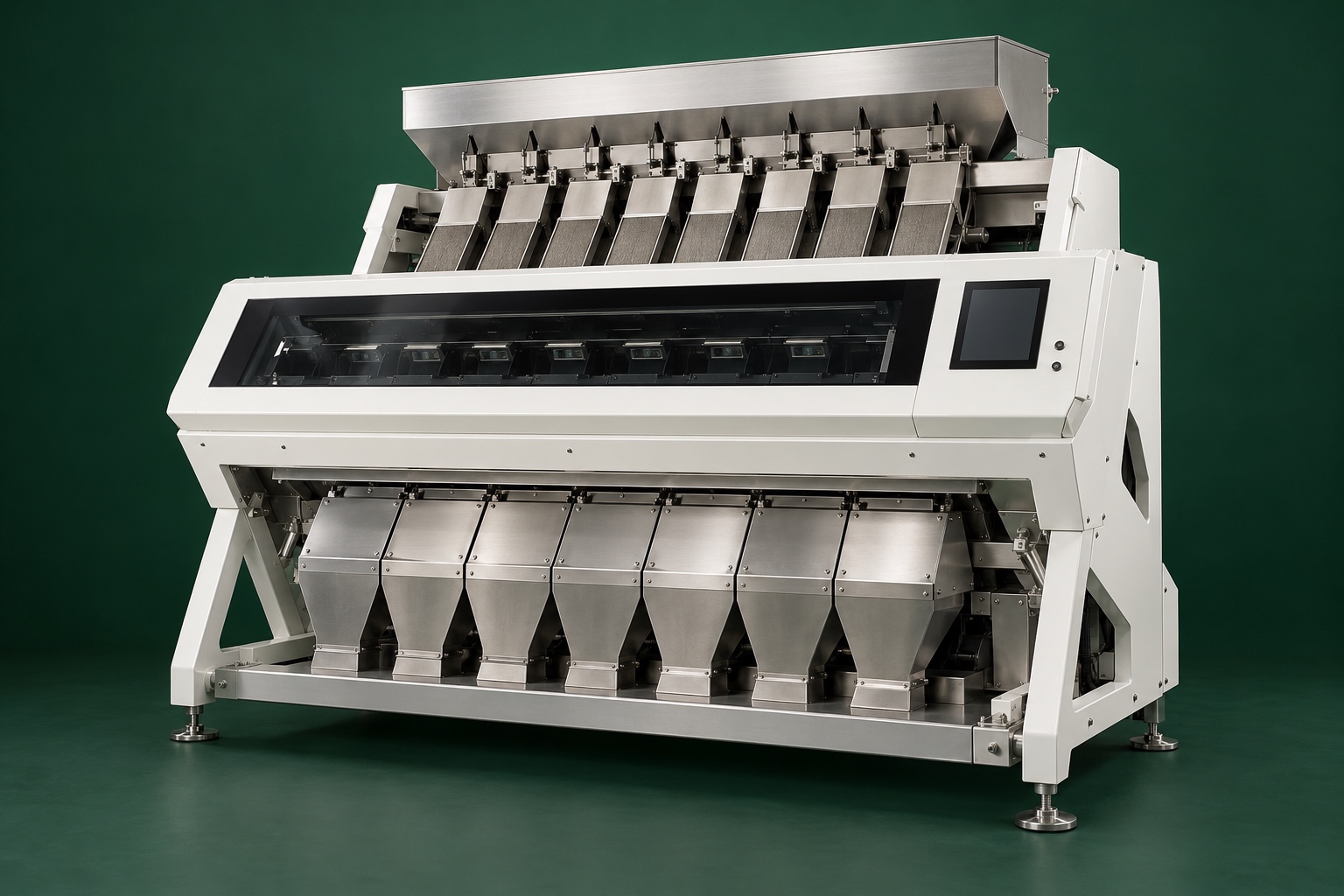
Cameras and controlled lighting help reveal differences in grain appearance.
The sorting criteria should reflect agreed colour, appearance, and defect tolerances.
Optical sorting separates material according to configured detection criteria.
Illustrative technology visuals. Installed make, model, and technical specifications will be confirmed separately.